Spinal Stenosis Treatment in Qatar
Spinal stenosis is a common problem that can affect the spine and put pressure on the nerves that run through it. Patients often feel worried when they read the words “spinal stenosis” in an MRI report, but today many cases can be treated with modern, advanced methods. What is spinal stenosis? It occurs […]
Spinal stenosis is a common problem that can affect the spine and put pressure on the nerves that run through it. Patients often feel worried when they read the words “spinal stenosis” in an MRI report, but today many cases can be treated with modern, advanced methods.
What Is Spinal Stenosis?
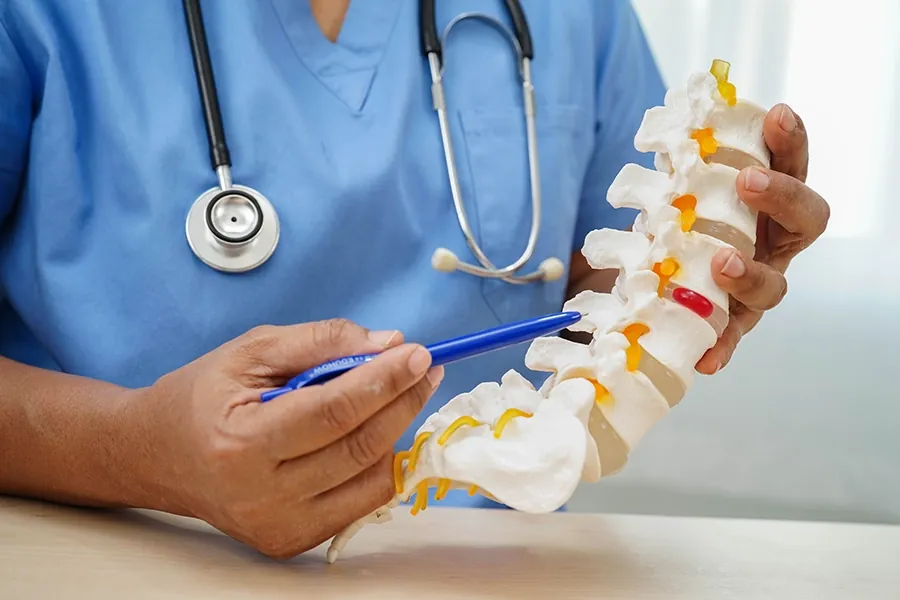
This condition occurs when the canal through which the nerves pass inside the spine narrows, putting pressure on them and causing symptoms that vary depending on the severity and location of the narrowing.
Symptoms may include:
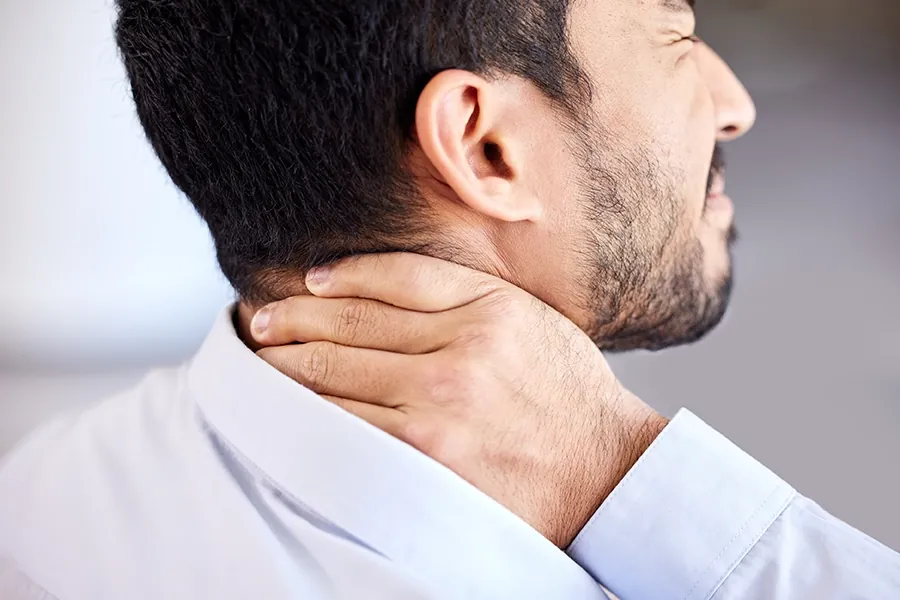
- Back or neck pain.
- Pain radiating to the legs or arms.
- Tingling or numbness.
- Muscle weakness.
- Difficulty walking or standing for long periods.
What Causes Spinal Stenosis?
Several causes can lead to spinal stenosis, including:
- Thickening of the ligaments inside the spine.
- A herniated disc.
- Cysts or joint cysts resulting from changes in the joints.
- Degenerative changes associated with ageing.
That is why an accurate diagnosis is essential to determine the real cause and set the right treatment plan.
How Is Spinal Stenosis Diagnosed?
Diagnosis involves several steps, including:
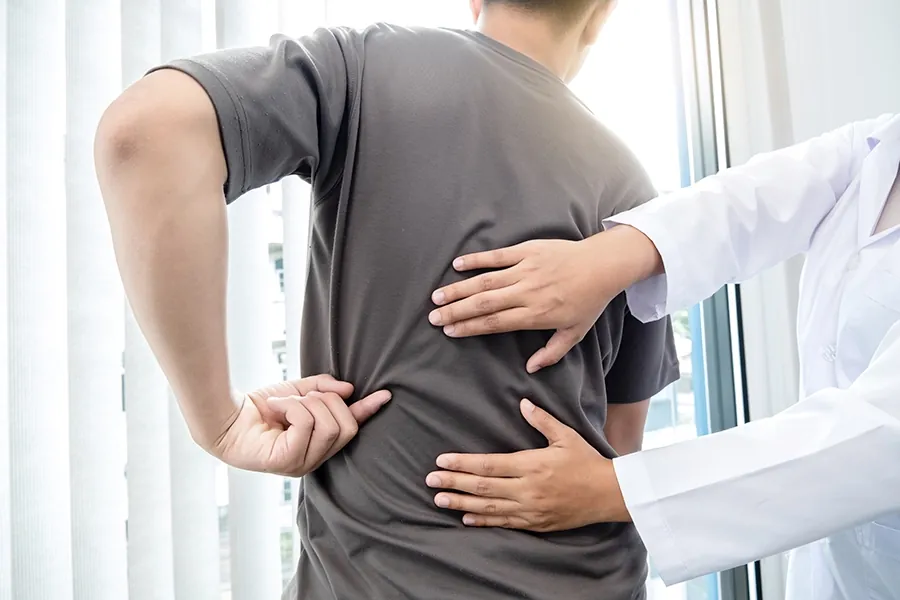
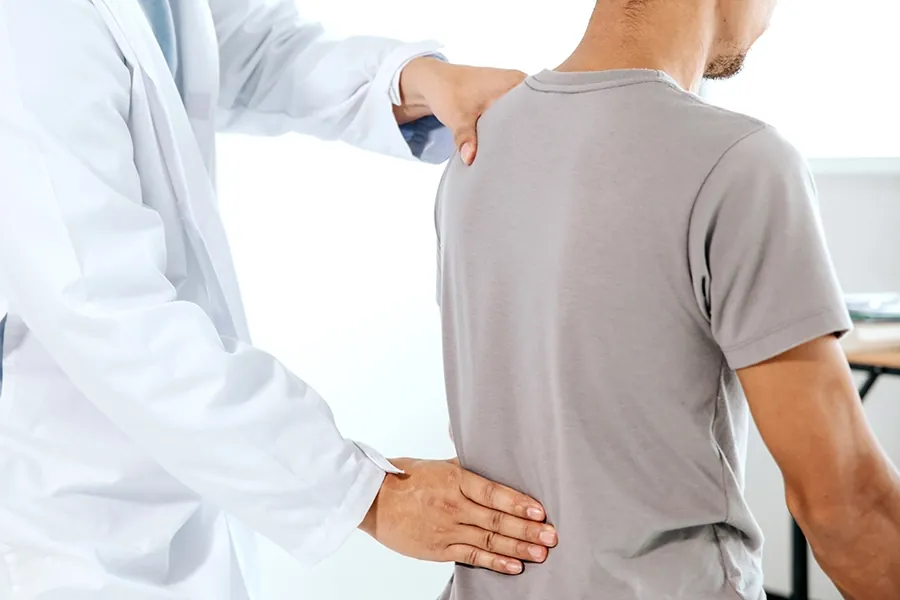
- A comprehensive clinical examination.
- Assessment of neurological and motor symptoms.
- Magnetic resonance imaging (MRI).
- Other radiological tests when needed.
An accurate diagnosis helps determine the location and degree of the narrowing and choose the most suitable treatment for each case.
Endoscopic and Minimally Invasive Treatment of Spinal Stenosis
The treatment of spinal stenosis has advanced considerably in recent years, and many cases can now be treated using endoscopic and minimally invasive techniques.
This technique relies on a very small opening of only a few millimetres, through which the endoscope and fine instruments are inserted to reach the narrowed area and treat it without affecting the surrounding muscles, ligaments or bones, while preserving the stability of the spine.
Endoscopic spine surgery helps to:
- Reduce damage to the surrounding tissues.
- Reduce pain after the procedure.
- Speed up recovery.
- Allow a quick return to daily activity.
- Reduce the need for large surgical incisions.
Professor Ghassan Algeadi and the Treatment of Spinal Stenosis
Professor Ghassan Algeadi, Consultant Orthopaedic and Spine Surgeon at Al Mahmoud Medical Center – Al Sadd Branch, provides accurate assessment of spinal stenosis cases and uses the latest endoscopic and minimally invasive spine surgery techniques to treat suitable cases.
Treatment always begins with an accurate diagnosis and identification of the underlying cause of the problem, followed by choosing the most suitable treatment option for each patient, with the aim of relieving pain, improving movement and restoring quality of life.
Non-Surgical Treatment Options
Not all orthopaedic and spine conditions require surgery. In many cases, good results can be achieved through appropriate conservative treatment.
Non-surgical treatment options include:
- Medication.
- Physiotherapy and rehabilitation.
- Therapeutic exercises.
- Lifestyle changes.
- Targeted therapeutic injections.
- Muscle strengthening and mobility programmes.
The treatment plan is chosen according to the nature and severity of the condition and the desired treatment goals.
When Should You See a Doctor?
It is advisable to see a specialist if back or neck pain persists, or if symptoms such as numbness, weakness in the limbs or difficulty walking appear, especially if the symptoms affect daily activity or get worse over time.
Early diagnosis can help treat the problem before it progresses and achieve the best possible treatment results.
If you suffer from back or neck pain or symptoms that may be related to spinal stenosis, you can book an appointment with Professor Ghassan Algeadi, Consultant Orthopaedic and Spine Surgeon at Al Mahmoud Medical Center – Al Sadd Branch, for an accurate assessment and a treatment plan suited to your condition.