Kidney Stones and Flank Pain
Kidney stones and flank pain are a common problem that requires accurate diagnosis and suitable treatment, along with medical advice for prevention, keeping the kidneys healthy and avoiding future complications.
Kidney stones can be very painful, but they can be treated in many ways, from drinking more water and adjusting your diet to medical interventions such as shock wave lithotripsy (ESWL), endoscopy, or surgical procedures such as endoscopic stone fragmentation (URS) or percutaneous nephrolithotomy (PCNL).
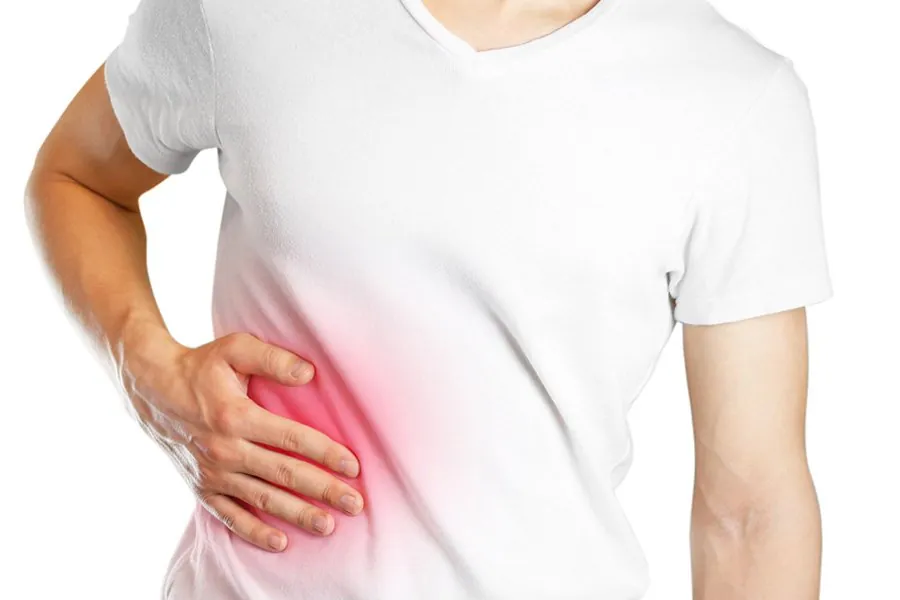
Flank pain is one of the most common complaints we hear from our patients. It can sometimes be a minor symptom, but in many cases it indicates stones in the kidney or ureter. These stones form when salts and minerals build up in the urine and begin to crystallise until they form solid masses.
How do we diagnose kidney stones?
At Almahmoud Medical Group centres, diagnosis begins with taking a careful medical history, followed by the necessary tests:
- Ultrasound: helps detect stones and examine the urinary tract.
- CT scan: the most accurate option for determining the size and location of the stone with high precision, which helps us choose the best route for treatment.
Treating kidney stones with modern techniques:
Thanks to medical advances, kidney stone surgery is no longer what it used to be. Today, we use very fine endoscopes that are passed through the bladder, up the ureter and into the kidney. The stone is then broken up with a laser into very small fragments that can pass out naturally with the urine.
This technique stands out because it is:
- Safe and effective, with a very high success rate.
- Free of any surgical incision.
- Associated with only slight pain, or none at all.
Recovery and comfort:
Most patients leave hospital the same day or the next day and quickly return to their normal activities. Some may need a ureteral stent for a short period of no more than two weeks to help the urine drain normally.
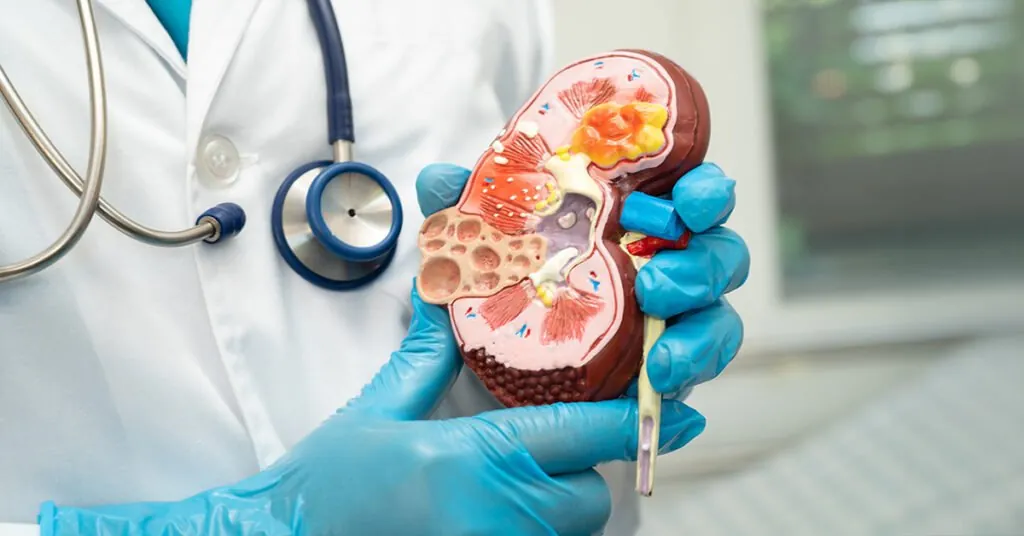
The kidney and urological surgery clinic
How to Protect Yourself from Recurring Stones
To prevent stones from forming in the future, Dr. Ibrahim Taha advises the following:
- Drink enough water (at least 2 litres a day) to keep the urine dilute.
- Reduce your intake of salt and sodium-rich foods.
- Eat animal protein in moderation (red meat, chicken and fish).
- Eat more fruit and vegetables, especially those rich in citrate such as lemons and oranges, because they help prevent salts from crystallising.
A final piece of advice:
If you feel recurrent or sharp pain in your flank, do not ignore it. Early diagnosis and prompt treatment protect you from complications that can affect the health of your kidneys. At Al Mahmoud Elite Medical Center in Qatar, under the supervision of Dr. Ibrahim Ammar Taha, we put our expertise and advanced technologies at your service to ensure safe treatment and outstanding results.
Read more about kidney stones on the WebTeb website (in Arabic)