Urinary Incontinence in Women: Diagnosis and Treatment
Urinary incontinence is a condition that affects daily life and self-confidence, but early treatment and following medical recommendations limit complications and ensure better results in the long term.
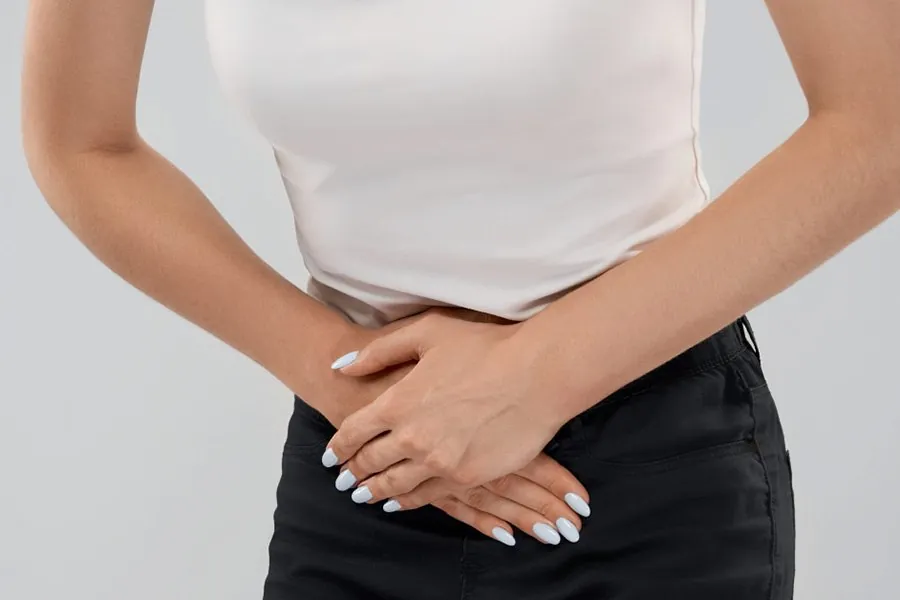
Urinary incontinence in women is a common problem: the involuntary loss of control over urine. Dr. Ibrahim Ammar Taha stresses the importance of identifying the type of incontinence before setting the treatment plan. The type must therefore be determined precisely, as there are two main types.
Stress incontinence
This type occurs when pressure on the abdomen increases while lifting weights, coughing or laughing. It can also appear during any physical exertion, which leads to urine leakage. Ultimately, the severity of symptoms may vary from case to case.
Urge incontinence
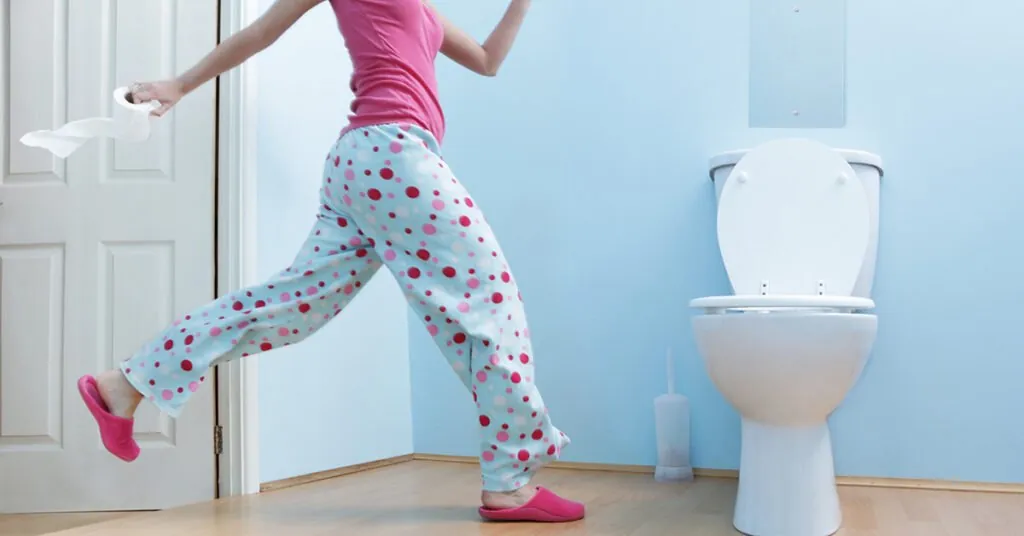
This type takes the form of a sudden feeling of needing to urinate, with an inability to reach the toilet in time. On the other hand, the severity of symptoms may vary from case to case and may be influenced by several factors.
More information about stress urinary incontinence in women on WebTeb (in Arabic)
Diagnosing urinary incontinence in women:
Diagnosis is usually made by taking a careful medical history. Some simple tests are also carried out to help determine the type of incontinence and its causes. Moreover, an accurate diagnosis ensures a suitable treatment plan is set. Regular follow-up with the doctor is therefore advised to assess the response to treatment. Ultimately, early intervention reduces complications and increases the chances of success.
Treatment:
Most cases of urinary incontinence can be managed easily through:
- Pelvic floor strengthening exercises (Kegel exercises): considered the cornerstone of treatment; they must be done consistently for six months to get clear results.
- Lifestyle changes: focusing on the type of fluids consumed, and cutting down on caffeine and fizzy drinks, which can irritate the bladder.
- Medication: in some cases, medicines can be prescribed to reduce an overactive bladder and help control the symptoms.
Medical facts about urinary incontinence in women:
According to the International Continence Society (ICS) and the European Association of Urology (EAU Guidelines 2024):
- Kegel exercises are effective in improving the symptoms of urinary incontinence in women by as much as 70–80% when done consistently for long enough.
- Combining exercises with medication and lifestyle changes gives the best results in most cases.
- We resort to surgery only if the previous methods have not worked.
The importance of early treatment:
Neglecting to treat urinary incontinence can make the symptoms worse over time, affecting self-confidence, limiting daily and social activities, and possibly causing skin problems due to constant wetness.
Therefore, based on the above, we advise you not to delay and to seek medical advice as soon as symptoms appear, because in most cases early diagnosis raises the chances of successful treatment and ensures better results.
Book your appointment today:
At the nephrology and urology clinic of Almahmoud Medical Group centres, we offer comprehensive solutions for treating urinary incontinence under the supervision of a select team of urologists, with the latest methods of diagnosis and treatment to ensure your comfort and restore your self-confidence.
Call now to book your appointment and begin your treatment plan.