Vitamin and Mineral Deficiency: Causes, Symptoms and Treatment
Vitamin and mineral deficiency is a common health problem that causes symptoms such as fatigue, hair loss and weakened immunity. Learn about its causes, signs, and methods of prevention and early treatment.
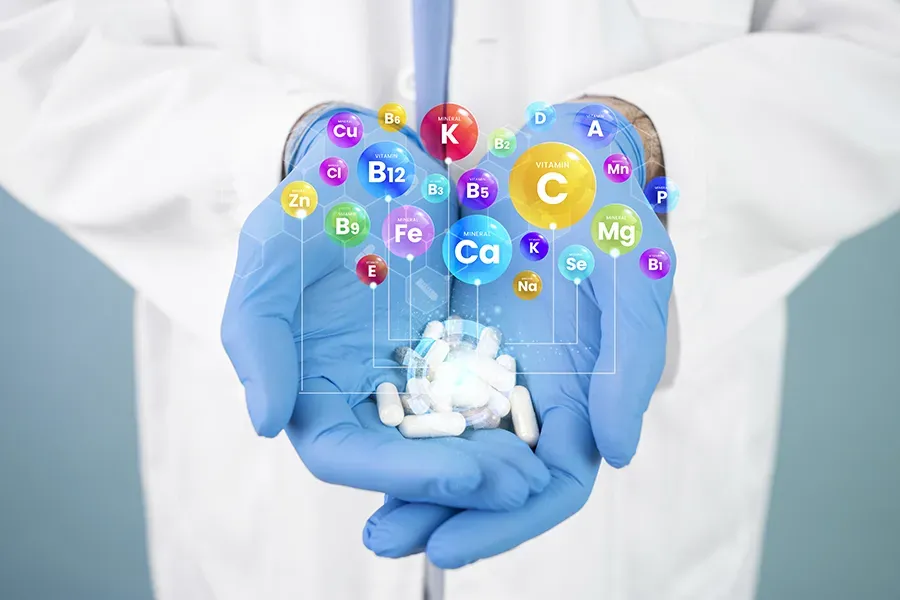
Vitamin and mineral deficiency is one of the common health problems of our time, especially with the growing reliance on fast food and ready-made meals that lack essential nutrients. This deficiency leads to low levels of the elements the body needs, directly affecting growth, immunity, and the health of the bones, skin, hair and nerves.
Causes of Vitamin and Mineral Deficiency
Several key factors lead to this problem, most notably:
- Absorption problems: such as irritable bowel syndrome, inflammation of the stomach or intestines, and Crohn's disease, as well as the side effects of some weight-loss surgeries such as sleeve gastrectomy and gastric bypass, or the use of weight-loss injections.
- Strict diets: following diets such as the keto diet can deprive the body of essential nutrients.
- Medications and chronic diseases: some medications directly affect the balance of vitamins and minerals in the body.
- Unhealthy habits: smoking and excessive alcohol consumption are among the most prominent causes.
The Most Notable Symptoms
The symptoms vary depending on which element the body lacks. The most notable include:
- Paleness and exhaustion: often indicate a deficiency in iron or vitamin B12.
- Hair loss and dry skin: linked to a deficiency in biotin and zinc.
- Muscle pain and cramps: may result from a deficiency in calcium or magnesium.
- Slow wound healing: a sign of vitamin C deficiency.
- Night vision problems: the result of vitamin A deficiency.
- Weak immunity: often indicates a deficiency in vitamin D or zinc.
The role of testing in diagnosis
Regular testing plays an essential role in the early detection of vitamin and mineral deficiency. It helps monitor nutrient levels precisely and identify people at risk of deficiency before symptoms and complications develop.
Treating Vitamin and Mineral Deficiency
Treatment depends on the cause and the severity of the deficiency. The options include:
- Dietary supplements: prescribed orally or intravenously after consulting the doctor.
- Correcting eating habits: adding foods rich in vitamins and minerals to the diet.
- Treating the underlying cause: treating the diseases or health conditions that hinder the absorption of nutrients.
Complications
Neglecting treatment can lead to serious health problems such as:
- Weakened immunity and more infections.
- Osteoporosis and muscle weakness.
- Nerve and mood disorders.
- An increased risk of heart disease.
Vitamin and mineral deficiency is a problem that can be prevented by following a balanced diet and having regular tests. If symptoms appear, it is important to consult a doctor to diagnose the condition and set a suitable treatment plan that restores nutritional balance and keeps the body healthy.
If you notice symptoms related to vitamin and mineral deficiency, do not hesitate to consult specialist doctors. At Al Mahmoud Elite Medical Center, part of Almahmoud Group, Dr. Mahmoud Shehata offers precise consultations and comprehensive treatment plans that help you restore your body's balance and ensure better health in the long term.