Under-Eye Filler: When Is It the Best Option?
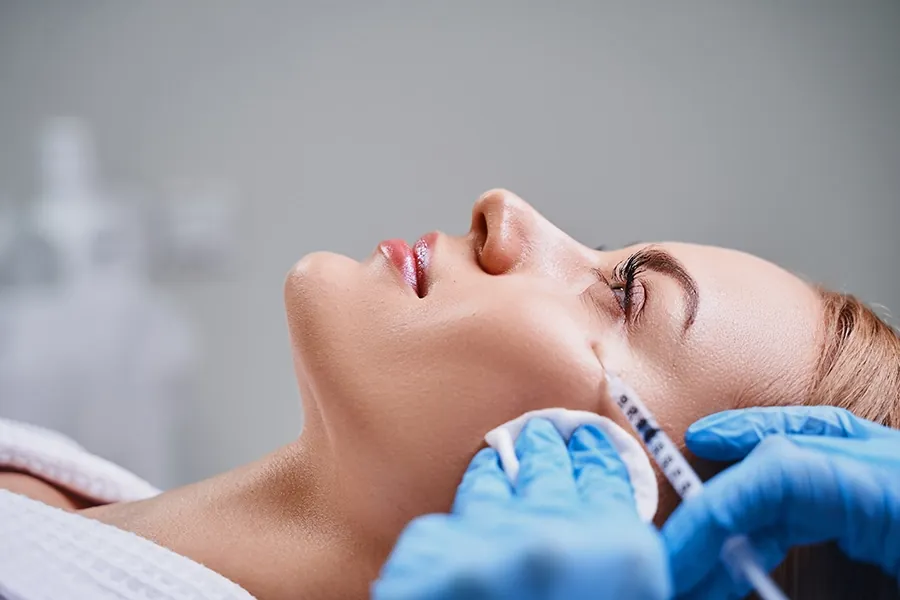
Under-eye filler is an effective solution for some types of dark circles, but it requires an accurate diagnosis of the real cause to ensure a natural and safe result.
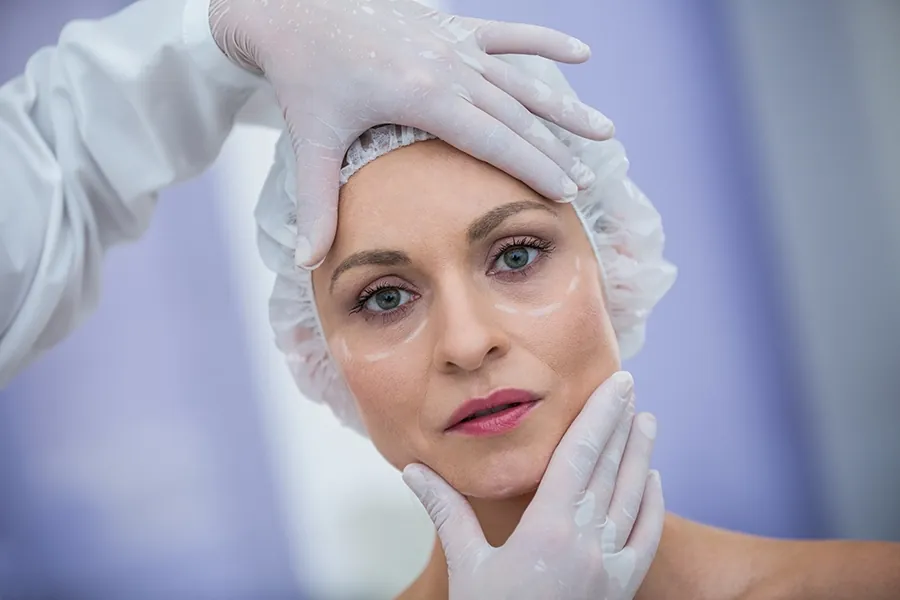
The area under the eyes quickly reveals signs of tiredness, lack of sleep and genetic influences. With the gradual loss of volume that comes with age, under-eye filler stands out as an effective solution that restores radiance and gives the face a more lively appearance when the right case is carefully selected.
Although the procedure appears simple, under-eye filler remains one of the most delicate cosmetic treatments, as the result depends on a correct diagnosis and an understanding of the cause of the problem, not just its outward appearance.
What Makes the Area Under the Eyes Sensitive?
The skin under the eyes is very thin, which makes any change in volume or injection technique directly visible. That is why the choice of filler type and injection depth plays a key role in avoiding swelling or lumps and achieving a smooth, natural result.
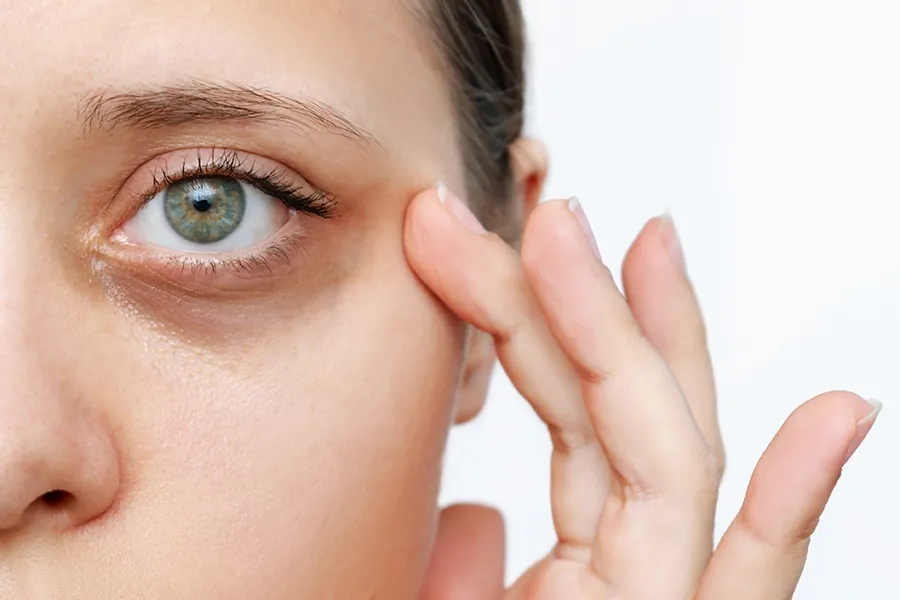
The causes of dark circles also differ from person to person: they may be caused by a structural hollow, skin pigmentation or a combination of both, which makes a medical assessment a step that cannot be skipped.
When Is Under-Eye Filler the Right Option?
Under-eye filler gives its best results in cases of a clear hollow that casts a shadow under the lower eyelid. In these cases, the filler replaces the lost volume, improves the reflection of light and noticeably reduces the tired look.
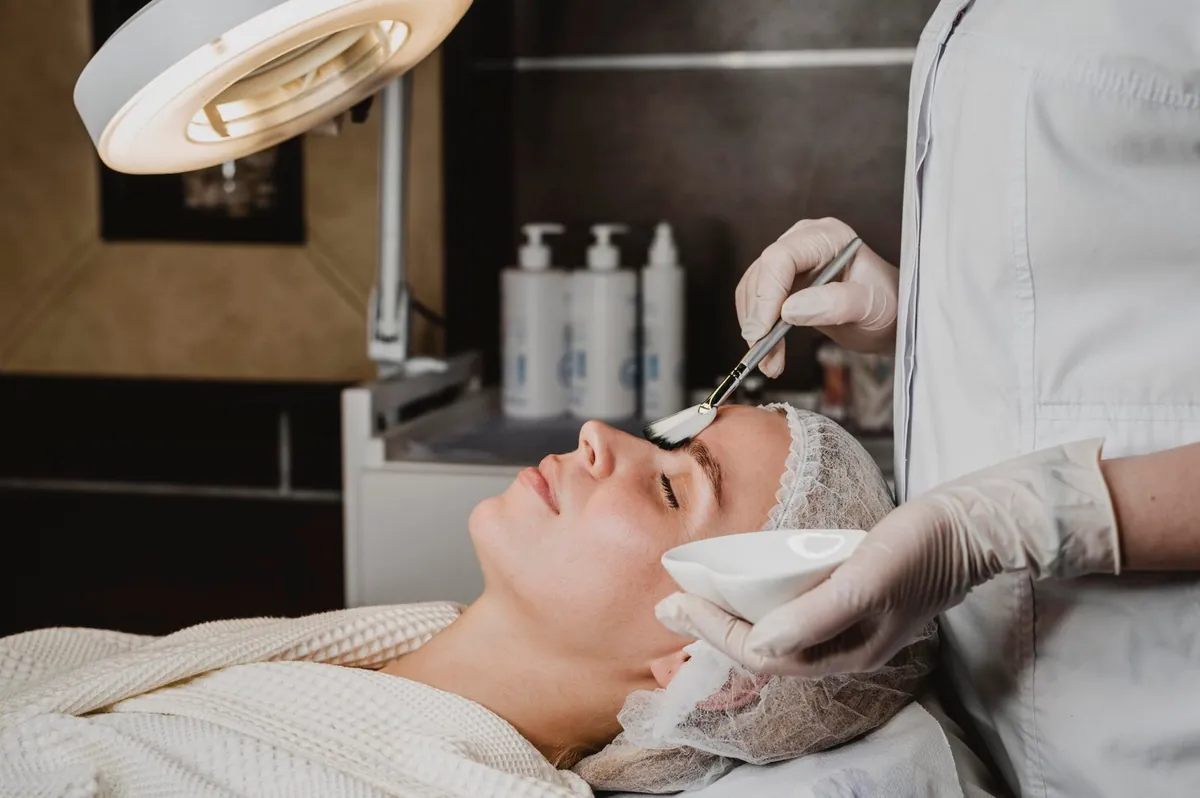
Skin pigmentation does not respond to filler and often needs other treatments such as laser or brightening sessions. In mixed cases, the doctor incorporates under-eye filler into a complete treatment plan to achieve a balanced result.
When Should Under-Eye Filler Be Avoided?
Doctors avoid using under-eye filler when there is clear fatty puffiness or severe sagging, because injecting may make the area more prominent instead of improving it. Flattened cheeks sometimes also cause shadows to appear, and in that case the doctor starts by supporting the mid-face before considering injecting the under-eye area.
Why Do Some Experiences Not Succeed?
The failure of under-eye filler is often linked to it not being suitable for the case, or to using a type that is not suited to this sensitive area. Heavy fillers or those that attract water can lead to swelling and an uneven appearance, especially with thin skin.
For this reason, this procedure requires great expertise and precise technique to ensure a safe and natural result.
Expected results
Under-eye filler gives a smooth, natural appearance when performed correctly, with a clear improvement in shadows and fresher-looking eyes without changing the features. The results usually last between 9 and 12 months depending on the type of filler and the individual's body.
Is Under-Eye Filler Always the Solution?
Not necessarily. Some cases need alternative or complementary treatments such as laser, mesotherapy or collagen stimulation to achieve the best possible result. That is why an accurate diagnosis remains the foundation of any successful treatment.
The Importance of Diagnosis Before Treatment
Understanding the cause of the problem and choosing the right technique and amount determine the success of under-eye filler. At Almahmoud Medical Group, we make the medical assessment an essential step to ensure safe solutions and natural results that preserve the beauty of your features and bring out the radiance of your eyes with confidence.
Read also: The Uses of Botox: Feminine Touches That Keep Your Features Youthful