The Problem of Obesity and a Starter Plan to Control It
Obesity is not only a cosmetic issue; it is a health risk that affects quality of life. Here we explain body mass index and the common risks, and offer practical dietary and movement steps for prevention and treatment.
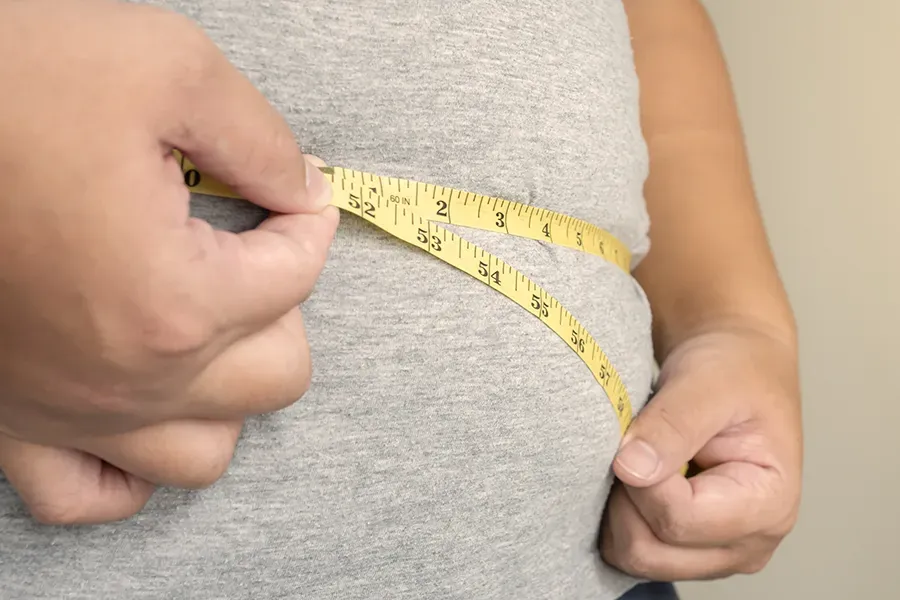
Maintaining a healthy weight is not only about appearance; it reflects a higher quality of life. With modern lifestyles that tend towards little movement and poor-quality fast food, the problem of obesity shows itself in the build-up of fat and a rising body mass index. When the index exceeds 30 we call the condition obesity, and when it exceeds 35 we call it severe obesity. Public health specialists also stress that obesity today is one of the most serious challenges, because it leads to many chronic diseases.
Why Is Obesity So Common in Our Region?
Reliable reports indicate that the Middle East and North Africa have some of the highest adult obesity rates in the world. Moreover, rates are also rising alarmingly among children and teenagers. The reason is a lack of physical activity, together with reliance on high-calorie foods, while a fast-paced lifestyle makes the problem even more complex.
The Most Common Health Risks of Obesity
- A higher likelihood of heart and artery disease.
- An increased risk of type 2 diabetes.
- A link to several types of cancer whose risks can be reduced by maintaining a healthy weight.
- Breathing problems such as sleep apnoea.
- Joint pain, osteoarthritis and spinal problems.
- Psychological effects such as low mood, anxiety, depression and low self-confidence.
What Can Be Done to Control Obesity?
Obesity is not inevitable; it can be controlled with gradual, realistic steps.
1. Practical nutrition you can sustain
- Reduce ultra-processed foods and fast food rich in trans fats and sugars.
- Fill half your plate with fibre-rich vegetables and fruit, a quarter with lean protein, and a quarter with complex carbohydrates.
- Replace saturated fats with healthy fats such as olive oil and nuts.
- Drink water regularly throughout the day, and start with a glass of water before meals.
- Adopt smaller, balanced meals, and track calories or portion sizes in a simple way.
2. Smart daily movement
- Light resistance exercise twice a week to maintain muscle mass and raise your metabolic rate.
- At least 30 minutes of brisk walking a day, which can be split into 3 sessions of 10 minutes each.
- Increasing non-exercise movement during the day is essential for staying active: for example, you can take the stairs instead of the lift, standing up regularly helps boost circulation, and a short walk after meals helps improve digestion and reduce sluggishness.
3. Sleep and stress management
- Simple stress-management techniques such as deep breathing and calm walking reduce emotional eating.
- Sleeping 7–9 hours helps regulate the hormones linked to hunger and fullness.
4. Medical follow-up
Measuring body mass index, waist circumference and family medical history guides the treatment plan.
- In some cases the doctor may recommend approved medications or injections that help reduce weight, and the need for them increases especially when type 2 diabetes is present. Even so, they must always be used under strict medical supervision with regular follow-up to ensure safety and effectiveness.
- Avoid harsh crash diets; temporary results are often followed by regaining the weight.
A Seven-Day Starter Plan to Control Obesity
- Days 1–2: cut down on added sugar and sweetened drinks, and replace them with water or unsweetened tea.
- Days 3–4: add 2 extra portions of vegetables a day, and walk for 20–30 minutes.
- Day 5: prepare a simple weekly menu and shop smartly.
- Day 6: one protein-rich meal every day.
- Day 7: measure your weight and waist circumference and write down notes to start a new week.
Conclusion
Obesity does not win against those who act early, so start today with small, consistent changes in your eating and activity. Good sleep and mindful stress management also strengthen the results, while sticking to a clear plan with your doctor helps keep you on course. In the end, with persistence, the results build up step by step until you reach a healthy weight and better wellbeing.
To book a consultation with Dr. Mahmoud Shehata at Al Mahmoud Elite Medical Center, part of Almahmoud Group, book your appointment now and the doctor will carry out a comprehensive assessment and set a personal treatment plan that suits your goals and expectations. To book immediately, please press "Book your appointment now", or contact us on WhatsApp for quick confirmation. We are always by your side.