The Importance of Nutritional Preparation Before Pregnancy
Nutritional preparation helps a woman get her body ready for the needs of pregnancy and increases her chances of fertility. It also reduces the risk of birth defects in the baby and supports the mother's overall health, including immunity, energy and a regular menstrual cycle.

The Role of Nutrition in Preparing the Body for Pregnancy
Nutritional preparation helps a woman get her body ready for the needs of pregnancy and increases her chances of fertility. It also reduces the risk of birth defects in the baby and supports the mother's overall health, including immunity, energy and a regular menstrual cycle.
Essential Nutrients and Their Role
- Folic acid: reduces the risk of neural tube defects in the baby.
- Iron: protects against anaemia before and during pregnancy.
- Vitamin D and calcium: support the bone health of mother and baby.
- Omega-3 (DHA & EPA): support the development of the baby's brain and eyes.
- Protein: strengthens fertility and helps build cells.
- Zinc and magnesium: improve ovulation and regulate the menstrual cycle.
- Fibre: regulates digestion and blood sugar levels.
The Effect of Diet on Fertility
A balanced diet improves egg quality and regulates hormones and the menstrual cycle. In addition, it reduces the inflammation and obesity that affect ovulation, and supports the health of the uterus and its lining in preparation for pregnancy.
The Most Important Vitamins Before Pregnancy and Their Sources
- Folic acid (400–800 micrograms a day): found in leafy vegetables, lentils, beans and fortified cereals.
- Iron: sources include red meat, liver in moderate amounts, lentils and spinach.
- Vitamin D: sources include sun exposure, oily fish such as salmon and sardines, and egg yolk.
- Calcium: available in milk and dairy products, almonds, broccoli and sardines.
- Omega-3: sources include oily fish, flaxseed, chia seeds and walnuts.
Is Natural Nutrition Enough, or Do We Need Supplements?
Doctors usually recommend taking folic acid and vitamin D as essential supplements. Iron is given when tests show a clear deficiency. The body gets the other nutrients from a balanced diet unless tests show a specific deficiency.

The Effect of Vitamin D and Calcium Deficiency
- Vitamin D deficiency increases the risk of infertility, miscarriage and weakened immunity.
- Calcium deficiency weakens the mother's bones in the future and affects the growth of the baby's bones.
Foods to Avoid Before Pregnancy
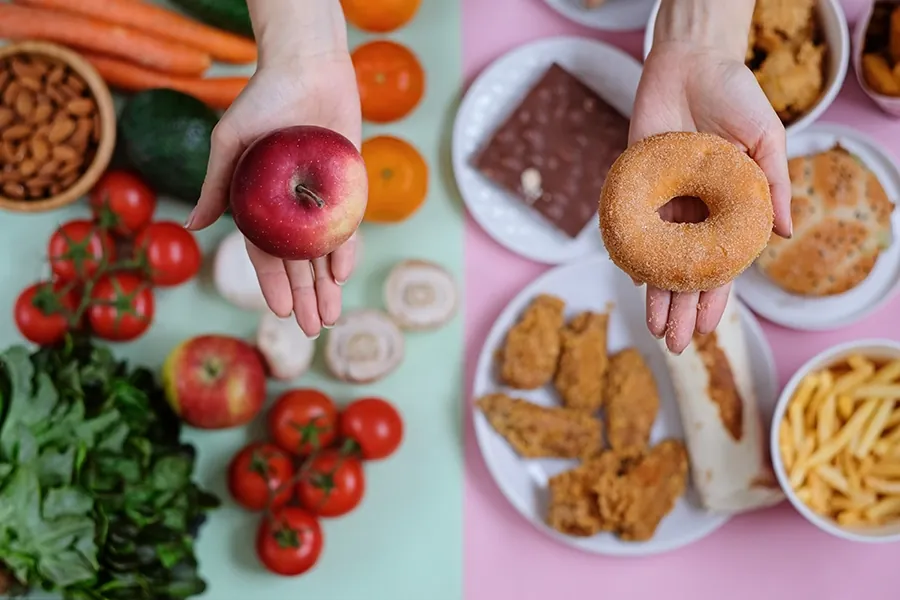
- Processed foods and refined sugars.
- Trans fats such as ready-made fried foods.
- Excessive caffeine (more than two cups of coffee a day).
- Alcohol (strictly forbidden).
- High-mercury fish such as large tuna and swordfish.
Managing Weight Before Pregnancy
Maintaining a healthy weight helps regulate ovulation and increases the chances of pregnancy. It is therefore better to lose excess weight before pregnancy rather than follow strict diets during it. On the other hand, moderate physical activity such as walking or yoga is an ideal way to support fertility.
The Effect of Fasting and Strict Diets on Fertility
Strict diets reduce fertility because of nutrient deficiencies. Balanced fasting, however, such as fasting in Ramadan, has no effect if the woman gets complete nutrition between iftar and suhoor, drinks enough water and takes in the nutrients she and her baby need.
An Example of a Daily Eating Plan Before Pregnancy
- Breakfast: oats with milk + chia seeds + seasonal fruit + nuts.
- Snack: yoghurt with honey or fruit.
- Lunch: grilled chicken breast or fish + rice or sweet potato + cooked vegetables or salad.
- Snack: a piece of fruit + nuts or brown toast with hummus.
- Dinner: cooked lentils or vegetable soup + brown bread + salad.
- Before bed: a glass of milk or laban.
If you are planning a pregnancy or have already started your journey, you need a balanced eating plan under specialist supervision to ensure your health and your baby's health. At Al Nokhba Medical Center, part of Almahmoud Medical Group in Doha, Qatar, Dr. Shereen Ali Omar, nutrition specialist, offers personal consultations based on the latest medical standards to meet your needs at this sensitive stage.