Panic Attacks: Causes and Effective Treatments
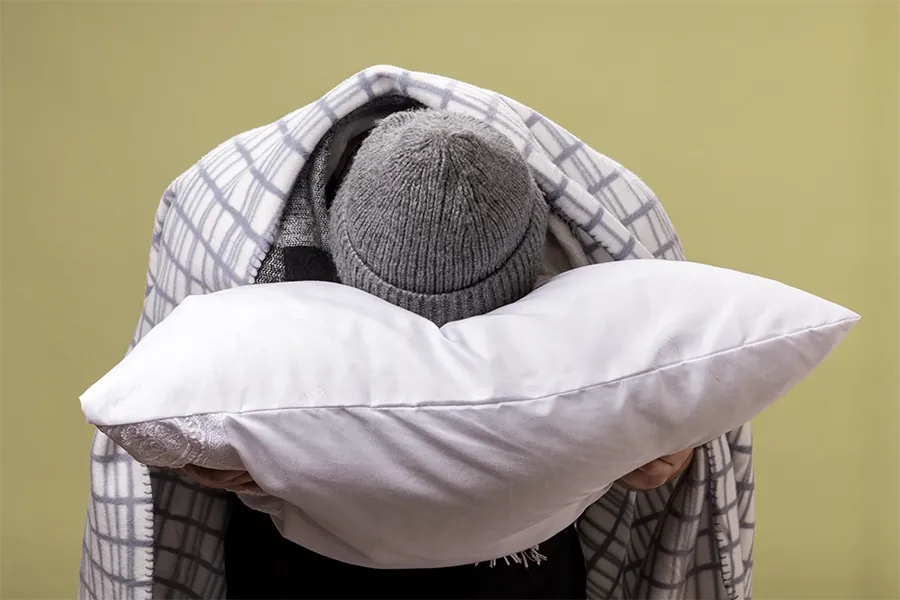
Panic attacks are sudden episodes of intense fear accompanied by distressing physical and psychological symptoms, which can significantly affect your daily life. In this article, we look at their causes, symptoms and effective treatments.

What Are Panic Attacks?
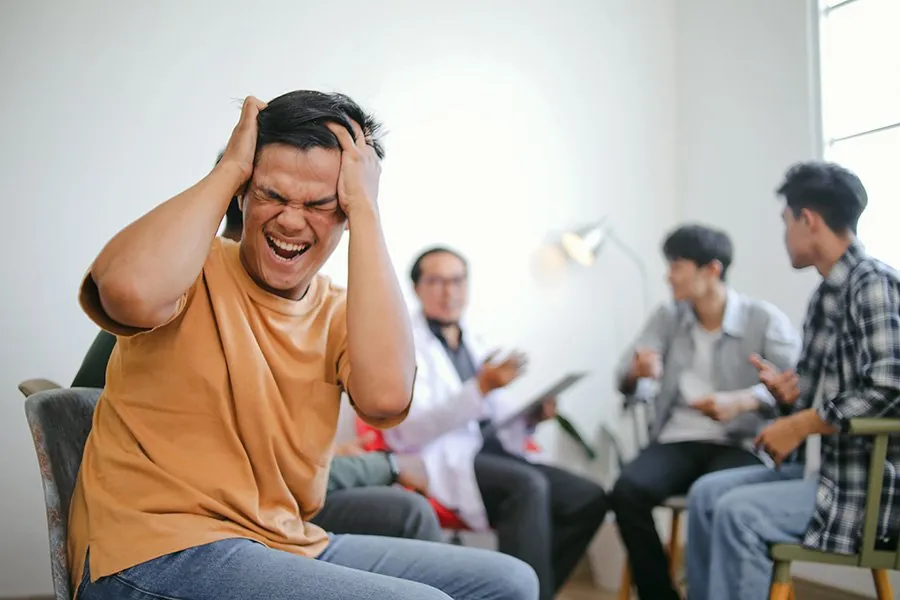
They are a sudden feeling of intense fear or terror, without any clear cause, accompanied by physical reactions such as a racing heart, difficulty breathing, dizziness and trembling. Panic attacks usually last less than 10 minutes and may happen once or twice in a person's life, but when they recur continually this is known as panic disorder. Symptoms of panic attacks often begin in late adolescence or early adulthood, and they are more common in women.
Symptoms of Panic Attacks
Panic attacks can happen suddenly and at any time, even during sleep or while driving. Their most notable symptoms include:
- A feeling of intense fear or a sense of impending death.
- A noticeably racing heartbeat.
- Sweating or chills.
- Nausea or an upset stomach.
- Trembling or shaking.
- Difficulty breathing or rapid breathing.
- Chest pain or pressure.
- Headache.
- Tingling or numbness in the hands or fingers.
- Intense, uncontrollable crying.
When Should You See a Doctor?
It is advisable to seek medical help if panic attacks:
- Interfere with your daily life or stop you from carrying out your tasks.
- Are accompanied by recurring physical symptoms such as nausea, stomach pain or fatigue.
- Are linked to suicidal thoughts.
- Drive you to use drugs or alcohol to cope with anxiety.
- Lead to social isolation and avoidance of public situations.
Risk Factors
Several factors increase the likelihood of these attacks, including:
- A family history of panic disorder.
- Exposure to a traumatic event such as assault or accidents.
- Going through stressful life situations such as losing someone close.
- Childhood trauma (repeated physical or sexual abuse).
- Major life changes (divorce, childbirth, moving house).
- Smoking or excessive caffeine.
Causes of Panic Attacks
The most notable possible causes include:
- Exposure to severe psychological stress.
- Genetic factors.
- Changes in brain chemistry and function.
The Psychiatry Clinic at Almahmoud Medical Group · Six Signs That You Need Psychotherapy · OCD: When Thoughts Become a Burden · Depression: Symptoms, Causes and Treatment
How Do You Stop a Panic Attack?
Although there is no way to stop an attack immediately, these techniques help you get through it quickly:
- Deep breathing to calm the heart and breathing.
- Closing your eyes to reduce confusing stimuli.
- Focusing on a specific object to divert attention from the symptoms.
- Relaxing the muscles gradually.
- Imagining a comfortable place that gives you calm.
Treating Panic Attacks
Treatment aims to reduce or stop the symptoms through:
1. Psychotherapy
- Cognitive behavioural therapy (CBT): teaches the patient to change negative thinking patterns and control anxiety.
2. Medication
- Selective serotonin reuptake inhibitors (SSRIs).
- Serotonin and noradrenaline reuptake inhibitors (SNRIs).
- Benzodiazepines (short-term sedatives).
- Anti-epileptic medications in some cases.
3. Lifestyle changes
- Exercising regularly.
- Getting enough sleep.
- Avoiding smoking, caffeine and stimulants.
Complications of Panic Disorder
Leaving these attacks untreated can lead to:
- Depression or chronic anxiety.
- Suicidal thoughts.
- Social phobia.
- Drug or alcohol misuse.
- Social isolation.
Preventing Panic Attacks
Prevention depends on knowing the possible causes and treating them early, through:
- Follow-up with a specialist doctor.
- Sticking to the prescribed treatment.
- Adopting a healthy lifestyle that eases anxiety and stress.
Book your appointment now at the psychiatry clinic of Almahmoud Medical Group
Read more about the symptoms of a panic attack on the WebTeb website (in Arabic)