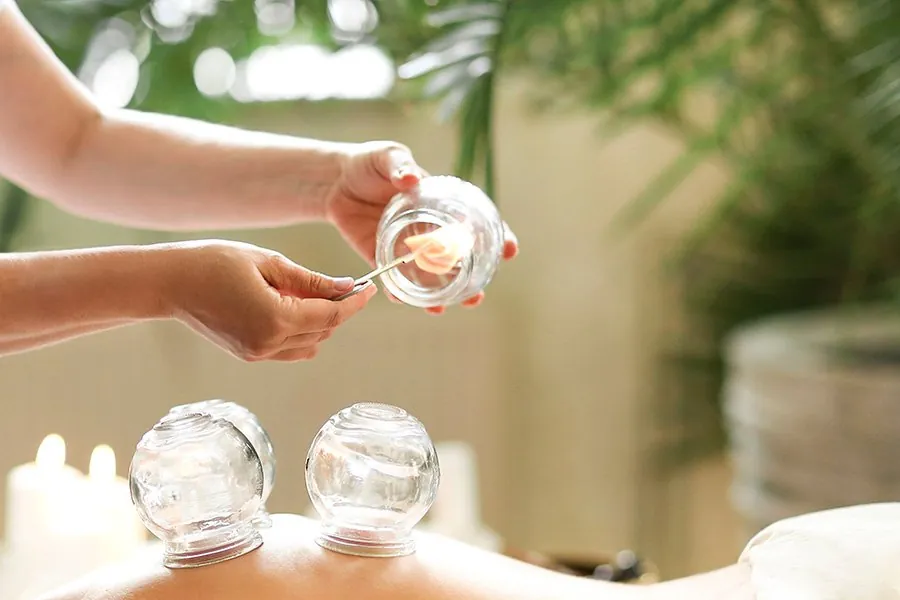
Cupping (Hijama) and Wrong Practices: Between Benefit and Complications
Common mistakes in performing cupping cause serious complications and affect its effectiveness. This article explains the most notable ones and offers advice to ensure safe, sound practice.
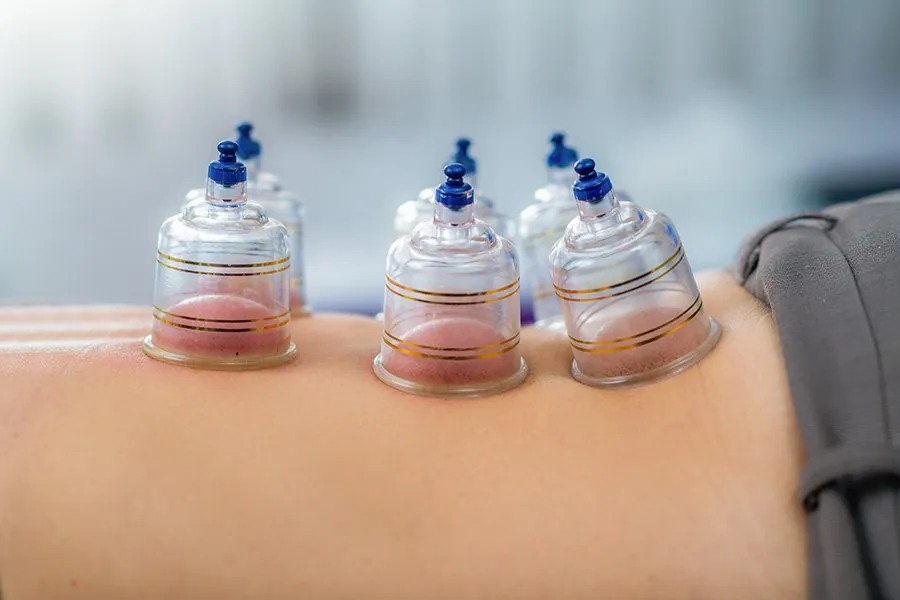
Cupping is one of the preventive and therapeutic medical methods known for thousands of years, and today it is attracting growing interest from scientific studies and research, especially in the fields of complementary and integrative medicine.
When cupping is practised correctly, it brings real health benefits to the patient and reinforces its standing as a recommended Prophetic method of treatment. Unfortunately, however, some wrong practices have led to complications and negative effects that have distorted the image of cupping for some people and led them to believe it is harmful or unsafe.
For this reason, we set out the most notable wrong cupping practices that people should be warned about so they can be avoided, ensuring cupping is performed safely and effectively.
1. Using unsterilised tools
One of the most notable mistakes some practitioners make is failing to fully sterilise their tools or using contaminated tools, which leads to transmitting infection or causing serious inflammation. You must make sure that single-use tools are used, or tools sterilised to the highest medical standards.
2. Performing cupping without a medical assessment
Some practitioners make the mistake of performing cupping without reviewing the patient's health history or checking their medical condition. Cupping is not suitable for some cases, such as:
- Patients who use a pacemaker
- People with unstable chronic diseases
- Or those who take blood thinners on an ongoing basis
3. Choosing the wrong sites for cupping
Cupping should not be applied just anywhere on the body. Common mistakes include:
- Performing cupping over nerves, arteries or veins
- Or on skin with wounds, infections or irritation
- Or near the lymph nodes
The practitioner must follow a precise medical map of cupping points that takes the patient's safety into account.
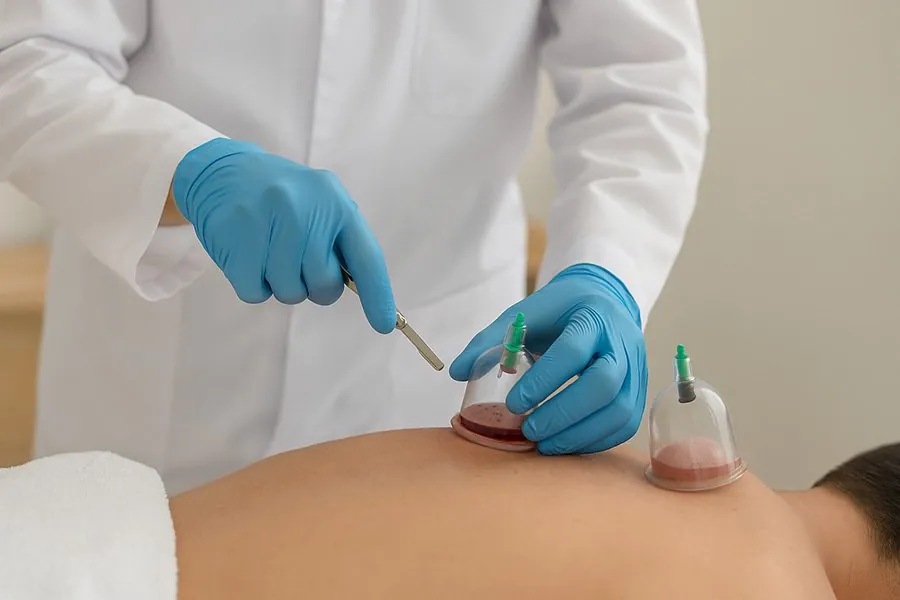
4. Deep cuts in wet cupping
In wet (blood) cupping, some practitioners make deep incisions in order to draw out a large amount of blood, believing this to be more beneficial. But cupping relies on only superficial incisions in the outer layer of the skin, and it has nothing to do with the amount of blood drawn. Deep incisions can lead to:
- Bleeding
- Infections
- Or permanent scars on the skin after healing
5. Neglecting the instructions before and after cupping
A recurring mistake is not giving the patient the correct guidance before and after the session, such as:
- Dietary instructions
- Physical rest
- Fluid intake
- When to bathe or return to physical activity
Neglecting these instructions can weaken the effectiveness of the session or expose the patient to problems after cupping.
In summary
Cupping is a Prophetic Sunnah and an effective means of treatment, but like any other treatment, it requires medical knowledge and practical experience.
We advise patients to have cupping only with a specialist doctor or a qualified practitioner, to ensure safety and achieve the best results.
Wrong cupping practices include confusing Arab Prophetic cupping with Chinese cupping, performing it without sufficient medical knowledge, using unsterilised tools, or applying it to the wrong sites, which can cause serious harm to the patient's health.
We remind practitioners that mastering cupping is a religious and professional duty, because it protects people's health and corrects the image of cupping in society as authentic Prophetic medicine.
Read also: Cupping (Hijama) Between Science and Myth