Burning Fat in Ramadan: How to Benefit from Fasting in a Healthy Way
Learn how to burn fat in Ramadan with a balanced, healthy plan and medical tips that help you lose weight safely without deprivation during the holy month.
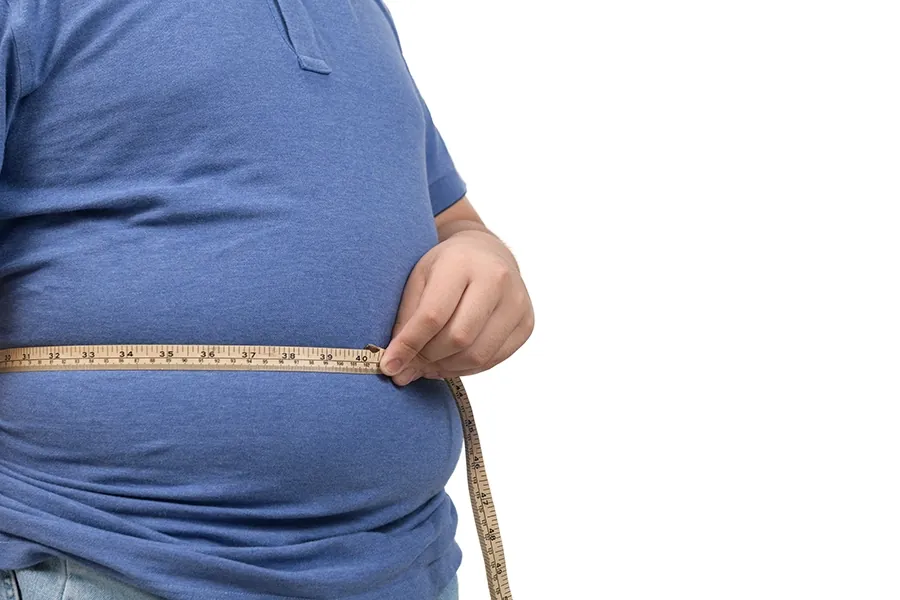
Burning fat in Ramadan is an ideal opportunity to lose weight in a healthy and safe way without deprivation. Organising mealtimes and eating fewer meals during the holy month helps the body use its fat stores as its main source of energy when a balanced eating plan is followed.
Balance is the foundation during Ramadan, as fasting helps the body reset its appetite and improve its insulin response. When a person sticks to a considered eating plan, they support fat burning in Ramadan naturally and safely and achieve healthy, sustainable results.
How Does Fasting Support Fat Burning in Ramadan?
When fasting for long hours, after using up its sugar stores the body begins to turn to fat as a source of energy. This natural mechanism helps stimulate fat burning in Ramadan, provided the calories are not excessively compensated for after iftar.
For the best results, it is advisable to:
- Eat a balanced iftar containing protein and fibre.
- Cut down on sugars and sweets as much as possible.
- Drink enough water between iftar and suhoor.
- Do light physical activity after iftar.
The Best Eating Plan for Losing Weight in Ramadan
Successful weight loss in Ramadan depends on the quality of the food, not just the number of meals. Choosing healthy protein sources such as chicken or fish, eating plenty of vegetables and cutting down on simple carbohydrates helps improve results.
Distributing meals between a light iftar, a moderate main meal and a protein-rich suhoor also helps stabilise blood sugar and reduce hunger, supporting gradual and safe fat loss.
Do Slimming Injections Help Burn Fat in Ramadan?
Slimming injections, under appropriate medical supervision, can help regulate appetite and reduce the amount of food eaten, supporting fat burning in Ramadan safely.
Dr. Mohammed Al-Hassouni, specialist in family medicine and obesity at Almahmoud Medical Group in Qatar, points out that these treatments should only be used after a comprehensive medical assessment to ensure effective, sustainable results without affecting overall health.
Medical follow-up also helps protect muscle mass and ensure that weight loss is concentrated in fat and not in the body's essential components.
How Can You Maintain Your Weight and Avoid Gaining Fat?
Many people gain weight during Ramadan because they overeat after iftar. It is therefore advisable to focus on moderate portions, eat slowly and avoid heavy meals before sleep. This helps avoid gaining fat and supports fat burning in Ramadan in a healthy and balanced way.
The balance between healthy nutrition and physical activity is the foundation of any successful plan for burning fat in Ramadan and achieving noticeable results by the end of the month.
Summary:
Burning fat in Ramadan is not a difficult goal; it is a real opportunity to reorganise your lifestyle and build healthy habits that last after the holy month ends. With a balanced eating plan, suitable physical activity and medical follow-up when needed, safe and effective weight loss can be achieved.
At Al Mahmoud Medical Center, the medical team is available after iftar to provide consultations and set personalised plans that help you reach your health goals with confidence and safety.
Ramadan Mubarak, and we wish you lasting health and wellbeing.
Skincare in Ramadan: Your Guide to a Healthy Glow Throughout the Holy Month