
Depression: Symptoms, Causes and Treatment
In this article, we shed light on depression as a common psychological disorder, explaining its causes, symptoms and the effective treatment options that help with recovery and restoring psychological balance and normal life.
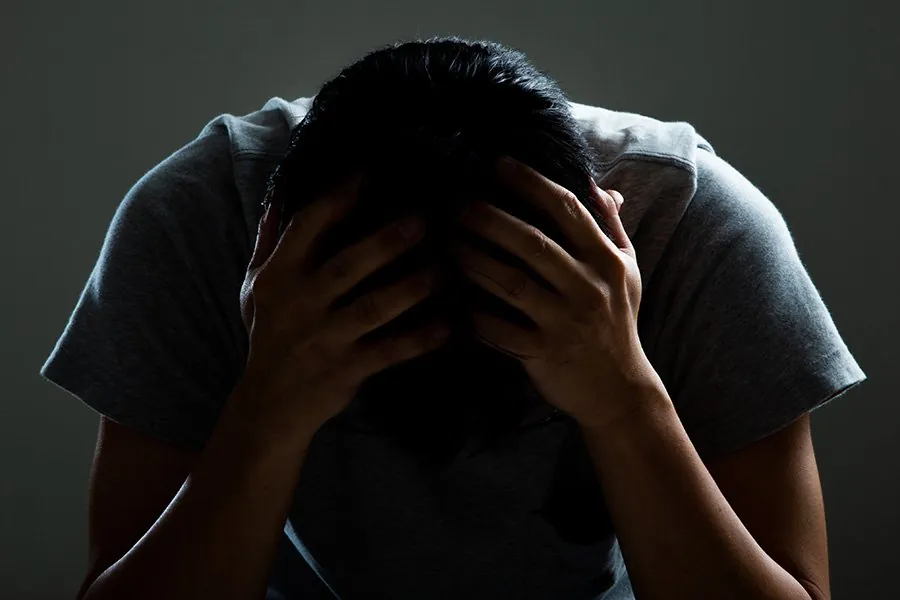
Depression is not just a feeling of sadness; it is a psychological condition that can affect your entire life if it is not dealt with properly. In this article, Dr. Louay Al-Maher explains the most important facts about this illness, its symptoms, and the latest treatments that help you recover and regain your positive energy.
Key Facts About Depression
- It is a common psychological disorder that affects mood and daily life.
- It is estimated that 5% of adults worldwide suffer from depression.
- Women are more prone to this illness than men.
- It can lead to suicide if it is not treated.
- There are effective treatments for depression of all degrees: mild, moderate and severe.
What Is Depression?
Depression, or depressive disorder, is a psychological condition characterised by low mood or loss of interest in activities that were previously enjoyable, with these symptoms persisting for long periods.
It differs from the normal mood swings caused by the pressures of daily life, as it can affect every aspect of life, such as:
- Social and family relationships
- Performance at school or work
- Physical and mental health
Anyone can develop it, but people who have been through harsh experiences or major losses are more susceptible, and studies show that women are more prone to it than men.
Symptoms of Depression:
An episode usually lasts most of the day, nearly every day, for at least two weeks, and includes:
- Feeling sad, emotionally empty or irritable
- Loss of interest or enjoyment in activities
- Poor concentration
- Feelings of guilt or low self-esteem
- Hopelessness or despair about the future
- Recurring thoughts of death or suicide
- Sleep disturbances (insomnia or oversleeping)
- Changes in appetite or weight
- Feeling tired or lacking energy
This illness can be classified as mild, moderate or severe, based on the number of symptoms, their severity and their effect on the patient's life.
Diagnosis:
Diagnosis is based on assessing the symptoms, their duration and their effect on daily functioning, and it is made through a consultation with a specialist psychiatrist. Early diagnosis is extremely important to avoid complications and improve the chances of recovery.

Treating Depression:
There are effective treatment options, including:
1. Psychotherapy
This is the first choice, especially in mild depression, and it can be combined with medication in moderate or severe cases. The most notable therapeutic approaches include:
- Behavioural activation
- Cognitive behavioural therapy (CBT)
- Interpersonal psychotherapy
- Problem-solving therapy
2. Antidepressant medication
Used in moderate to severe cases, including selective serotonin reuptake inhibitors (SSRIs) such as fluoxetine.
3. Family and social support
This helps improve the patient's response to treatment and speeds up recovery.
In Summary
Depression is a common condition, but it can be treated effectively with early diagnosis and a suitable treatment plan. If you are experiencing the symptoms mentioned above, do not hesitate to seek help from qualified specialists.
The Psychiatry Clinic at Almahmoud Medical Group · Six Signs That You Need Psychotherapy · OCD: When Thoughts Become a Burden · Depression: Symptoms, Causes and Treatment
Read more about depression on the WebTeb website (in Arabic)